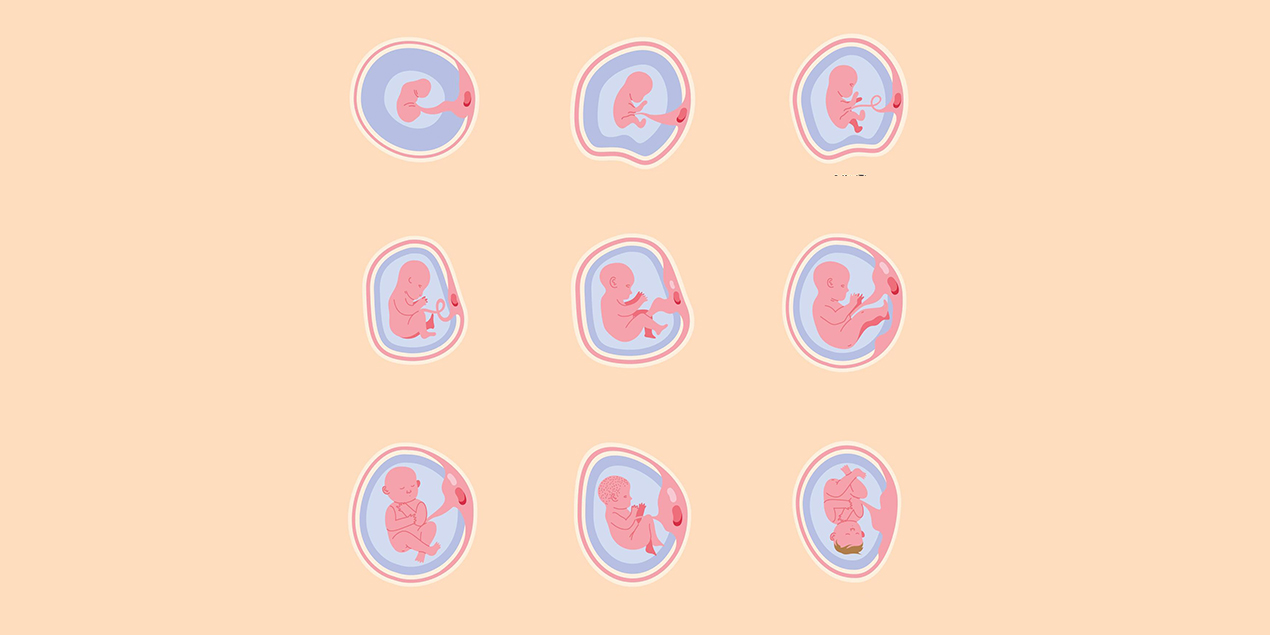
In the 21st week of pregnancy, a period when the expectant mother feels she is getting gradually closer to the due date, several changes occur in both the mother and the newborn-to-be. As of this week, the developments in the baby are as follows: the growth rate of the baby who has reached the 21st week slows down, the baby’s heart muscle develops, tooth buds that will remain throughout their life form in the gums, and the baby’s digestive system begins to function.
What is the Height and Weight of the Baby at 21 Weeks of Pregnancy?
As of this week, the baby’s height is 29 cm and the weight is 450 grams.
What are the Changes in the Expectant Mother at 21 Weeks of Pregnancy?
As the expectant mother gets closer to birth, her body becomes even heavier. In the 21st week of pregnancy, the expectant mother becomes breathless very quickly. The reason for this is that the uterus developing inside the abdomen, along with other organs, puts pressure on the diaphragm muscle. Since the baby’s tooth development begins in the 21st week, the expectant mother should consume more calcium. In 21-week pregnancies, the risk of urinary tract infection increases due to the more concentrated consistency of the urine. During the 21st week of pregnancy, the expectant mother’s feet especially begin to swell; to prevent this, it is necessary to rest for two hours a day with the feet elevated. The expectant mother’s blood pressure needs to be monitored during this period. Therefore, the mother’s blood pressure should be measured once a day. In 21-week pregnancies, lower back and back pains begin. Massage can be performed to alleviate these pains. Nosebleeds are seen in most expectant mothers during the 21st and subsequent weeks. This bleeding starts spontaneously and does not last long. Another common pain seen in expectant mothers during these periods is groin pain. This situation, caused by the pressure exerted by the growing baby, is not something to be feared. During this period, the expectant mother may also start experiencing gum problems. Therefore, for both the baby’s dental development and her own dental health, the mother should start taking external calcium supplements when necessary.


