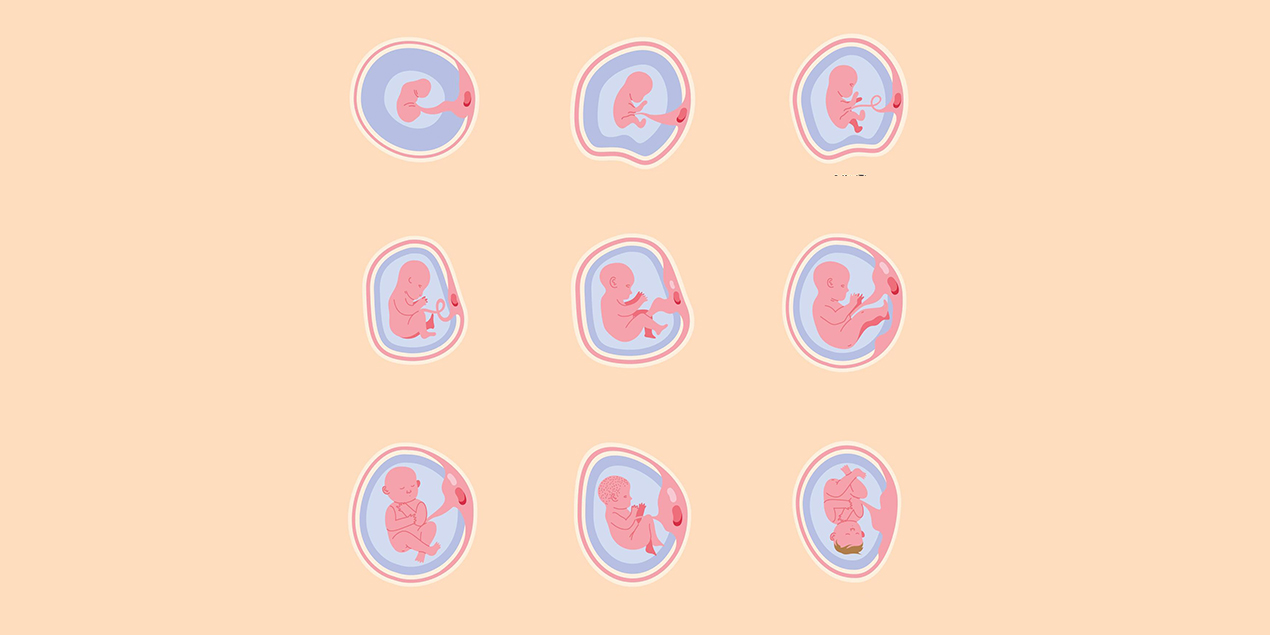
The 4th week of pregnancy is perhaps the most exciting and simultaneously the most confusing process for expectant mothers; although four weeks have passed since your last menstrual period according to the medical calendar, biologically, it has only been two weeks since fertilization occurred. Your baby is officially transitioning from a rapidly dividing ball of cells called a “blastocyst” to the “embryo” stage. During this period, a microscopic revolution takes place within the uterus; your baby, about the size of a poppy seed or a grain of salt, secures a safe home by embedding itself into the most fertile spot of the uterine wall (implantation). Meanwhile, it begins to form the ectoderm, mesoderm, and endoderm layers, which will lay the foundations of vital organs. Since the placenta is not yet fully functional, the nutritional needs are temporarily met by a structure called the “yolk sac.”
On the expectant mother’s side, the body rapidly begins pumping progesterone and Beta HCG hormones to ensure the continuation of the pregnancy. This situation, along with the expected delay in menstruation, triggers symptoms almost indistinguishable from PMS, such as breast fullness, nipple sensitivity, bloating similar to gas pain, a strange metallic taste in the mouth, sudden mood swings, constant drowsiness, and mild pelvic cramps—creating the dilemma of “Am I about to start my period or am I pregnant?” In particular, the light pink or brown spotting you may see in your underwear this week is likely not a feared sign of miscarriage or menstrual bleeding, but rather the harmless “implantation bleeding” caused by the baby attaching to the uterine wall. Therefore, there is no need for concern unless there is heavy red bleeding.
If you perform a home pregnancy urine test this week, there is a high probability of seeing a second line, even if it is faint; however, while the Beta HCG blood test provides the most accurate and earliest result, you should not rush to the doctor for an ultrasound immediately. Since the gestational sac is still at millimetric dimensions, it will not be visible on an ultrasound, which may cause unnecessary fear of a “blighted ovum” or “ectopic pregnancy.” For your psychological well-being, it is healthiest to wait until the 5th week to clearly see the sac and the 6th or 7th week for the heartbeat. Consequently, this week is not just a passive period of waiting for test results, but a conscious “new beginning” where you must consistently take folic acid supplements—vital for the baby’s brain and spinal cord development—stay hydrated by drinking plenty of water, reduce caffeine, completely eliminate toxins like cigarettes and alcohol, avoid raw foods, and prepare your body for this miraculous 9-month marathon.


