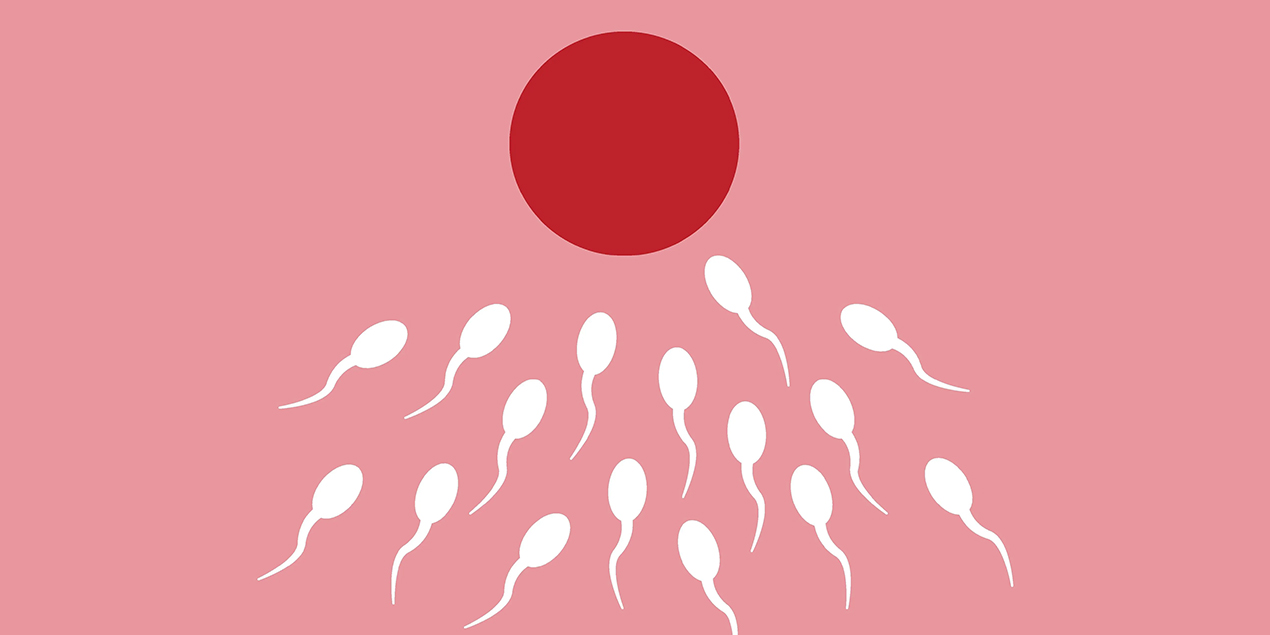
Pregnancies have been achieved worldwide through egg freezing and thawing techniques. With the newly published regulation in our country, the use of egg freezing methods for various reasons has been permitted. Previously, egg freezing was only allowed before chemotherapy or radiotherapy in cancer patients, but with the latest regulation, it is now permitted for other reasons as well. The situations in which egg freezing is recommended are as follows;
- In severe endometriosis cases where immediate pregnancy is not planned or if the woman is single,
- In women at risk of early menopause who are not planning pregnancy in the near future,
- In single women who are at risk of reduced ovarian reserve,
The most important factors affecting success in egg freezing are the woman’s age and ovarian reserve. If the age is over 37 or ovarian reserve has decreased, the benefit and effectiveness of egg freezing also decline. While the decrease in the ovarian reserve occurs over the years, it can sometimes be seen in young women as well. A decline in ovarian reserve may occur even in women in their twenties, similar to that of a 45-year-old woman.
In this condition, known as early menopause or diminished ovarian reserve, egg freezing can be a fertility-preserving method if the woman is single.
The egg is the largest cell in the human body. While sperm is 10 microns in length, the egg is approximately 100 microns and contains a large amount of fluid. Since sperm contains less fluid, it is easier to freeze, whereas the higher fluid content in the egg makes the freezing technique and the experience of the embryologist crucial. Rapid freezing of the fluid content without crystallization provides the best results.
Egg freezing techniques have become more effective today. The most effective method is rapid freezing (vitrification), which is preferred. It is stated that 70–95% of eggs can be used successfully after freezing and thawing. Frozen eggs are thawed when needed, fertilized with the partner’s sperm through microinjection (ICSI), and the resulting embryos are transferred into the uterus.
The chance of achieving pregnancy through egg freezing and thawing is related to the woman’s age and ranges between 10–40%. No increase in anomaly risk has been observed in embryos formed from frozen and thawed eggs.
In some countries, large companies have decided to cover egg freezing costs for female employees who do not want to interrupt their careers to have children, and they have announced that they will also make annual payments for the storage of frozen eggs. Therefore, women who do not wish to pause their careers may consider egg freezing. A woman in her twenties who wants to focus on her career may postpone pregnancy to her thirties by freezing her eggs.
When Is Sperm or Testicular Tissue Freezing Recommended?
- In cases of azoospermia (no sperm in semen), if sperm is found through surgical procedures on the testicles, testicular tissue can be frozen
- Before chemotherapy or radiotherapy
- To preserve reproductive function in medical conditions that require removal of the testicles
- In cases of very low sperm count in semen


