Hypo Hypo (Hypogonadotropic Hypogonadism) is a hormonal pathology characterized by the inability to menstruate without medication, resulting from the insufficient secretion of FSH and LH hormones from the brain.
What is Hypo Hypo?
Hypo hypo (Hypogonadotropic Hypogonadism) is a hormonal pathology characterized by the inability to menstruate without medication, resulting from the insufficient secretion of FSH and LH hormones from the brain. Hypo hypo is often confused with early menopause. In hypo hypo, FSH and LH hormone measurements are below 1.
Is Hypo Hypo a Cause of Infertility?
Hypo hypo (Hypogonadotropic Hypogonadism) is one of the leading causes of primary amenorrhea. In other words, it is the first disease suspected when a young girl does not menstruate. However, in hypo disease, as long as medication is used, periods occur in their normal course.
Can Women with Hypo Hypo Get Pregnant?
When women with hypo hypo apply to have children, after evaluating sperm analysis and uterine film (HSG), pregnancy can be achieved through ovulation induction, vaccination (IUI), or in vitro fertilization (IVF) treatment depending on sperm values. In hypo patients, injections containing FSH and LH must be used for follicle development in the ovaries. Women with hypo have eggs in their ovaries, but since there is not enough FSH and LH in the body, the eggs cannot grow and crack spontaneously; therefore, injections are used for follicle development, followed by a trigger shot to ensure ovulation. Ovulation induction (folliculometry) is a process that lasts about 10-12 days, but in hypo patients, this period can sometimes be extended to 2-3 weeks.
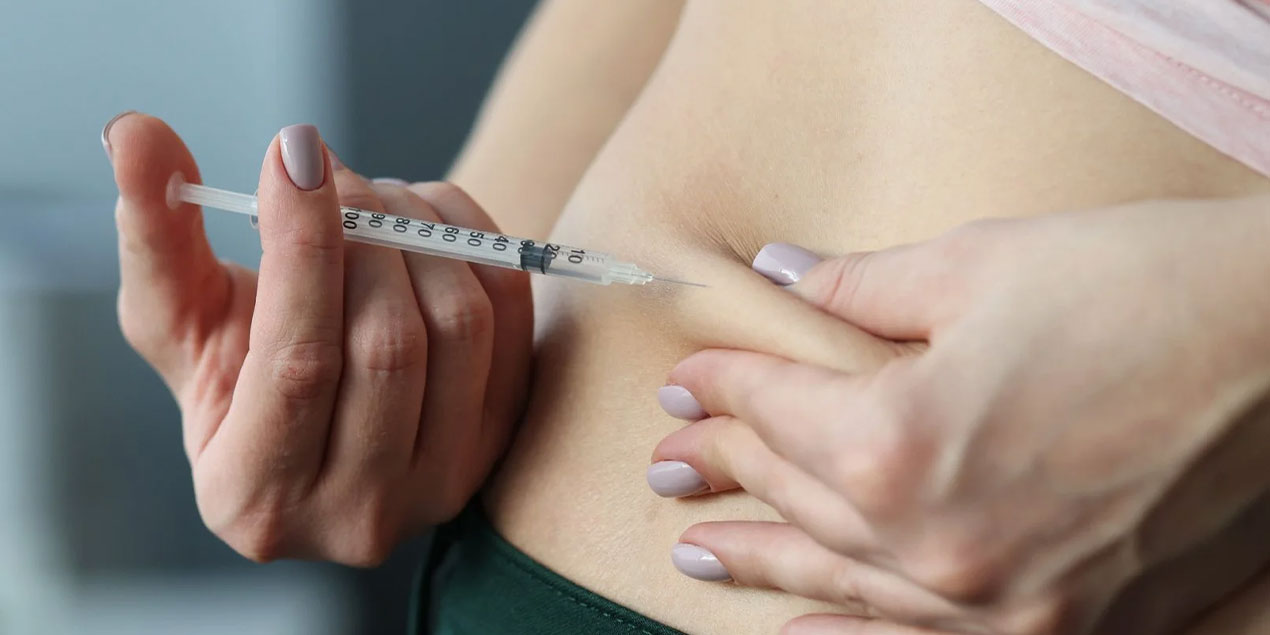
Follicle development is monitored by ultrasonography with these injections, which are usually started at low doses and administered around the navel, and medication doses are increased when there is an insufficient response. If the follicles developed during the ovulation induction process are mature, sperm values are sufficient, and there is no problem in the tubes on the uterine film, they can be matured with a trigger shot and intercourse every other day can be recommended. In cases where results cannot be obtained with intercourse every other day after the ovulation induction process, vaccination can also be an alternative if the tubes are open and sperm is normal. If pregnancy does not occur with such follow-ups for 3-6 months, or if the duration of marriage is longer than 5 years, or if there is a problem with the sperm, it would be appropriate to switch to IVF treatment.
What are Hypo Hypo Pregnancy Rates?
Hypo hypo (Hypogonadotropic Hypogonadism) pregnancy rates are quite high with these follow-ups; pregnancy can occur at a rate of up to 80%. The most important and critical point in the follow-up of these cases is the appropriate selection of drug doses and the avoidance of over-development during follow-ups.
Is Hypo Hypo Early Menopause?
Hypo hypo disease is not early menopause. There are eggs in the ovaries, but they are sort of sleeping and need to be stimulated with injections to grow. Pregnancy rates are high in hypo cases, and pregnancy can occur at a very high rate with only ovulation induction and intercourse. If there are other causes of infertility or if pregnancy cannot be achieved with ovulation induction, IVF treatment can be performed. Attention should be paid to drug doses during the stimulation phase of the ovaries of hypo patients and overstimulation should be avoided. Otherwise, hyperstimulation or multiple pregnancies may be encountered.
What is the Difference Between Hypogonadotropic Hypogonadism and Hypergonadotropic Hypogonadism?
Hypogonadotropic hypogonadism and hypergonadotropic hypogonadism are different problems. In hypo hypo, the egg can grow with injections and drugs, but in hyper hypo, since the ovarian reserve is decreased, there is usually no response to injections.


