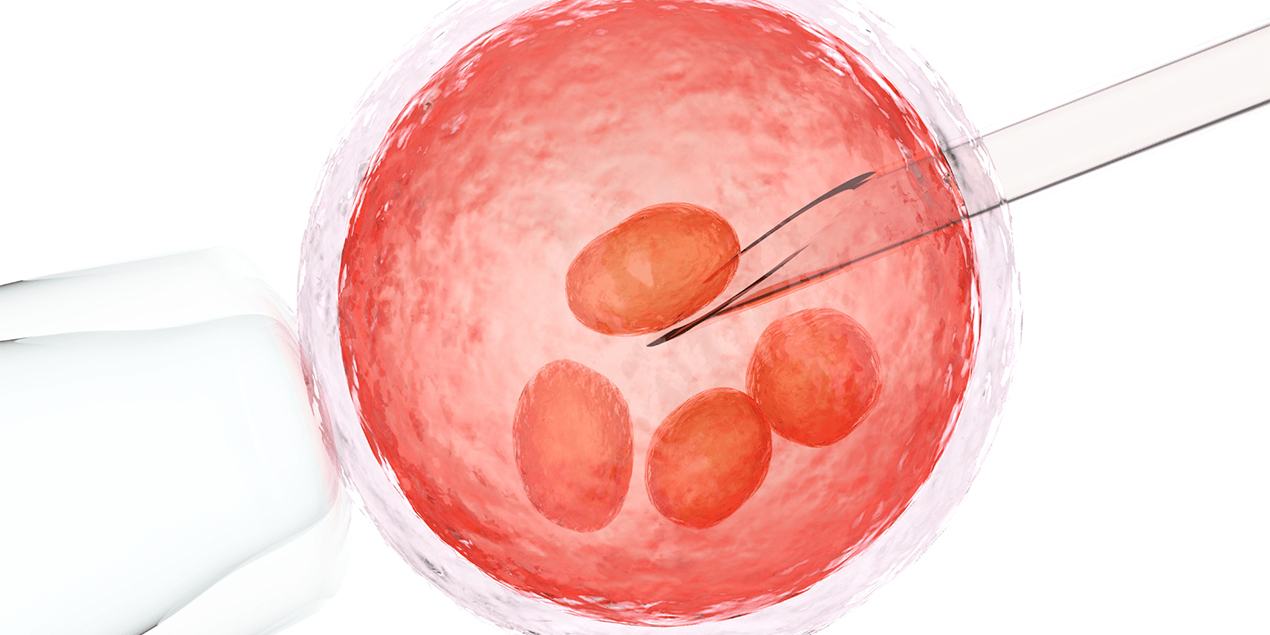
Blastocyst stage embryo transfer is the final and an important stage of IVF treatment. As a result of all ovarian stimulation and embryo development stages, it represents the point that best informs us about achieving the goal of obtaining a good-quality embryo and transferring it into the uterus, and therefore about treatment success.
Embryo transfer is a procedure that must be performed carefully and meticulously. The quality of the embryo transferred and the transfer technique are important factors that affect success. Embryo transfer is performed within 2–5 days after egg retrieval.
In some countries, routine day-2 transfer is a legal requirement, while remaining embryos are either frozen or discarded. To postpone the transfer day beyond day 3, both laboratory equipment and embryologist experience must be of high quality.
Delaying embryo transfer beyond day 3 is particularly preferred in cases of male infertility, in patients with previous attempts, in those who have more than three good-quality embryos on day 3, and in cases undergoing genetic testing such as PGT/aCGH.
Blastocyst stage embryos have a high implantation potential, with implantation rates around 30–50%. Therefore, when an embryo reaches this stage of development, attention should be paid to the number of embryos transferred, as transferring two blastocysts may result in twin pregnancy rates exceeding 30%. At the blastocyst stage, the embryo’s cells are fused, forming cell groups that will develop into the embryo and the placenta. The best blastocyst is selected using certain scoring systems and transferred into the uterus. If there are remaining high-quality blastocysts, they can be frozen and stored for future use within five years.
Laboratory equipment is very important in achieving the blastocyst stage. The number of eggs obtained is also significant; to achieve one or two high-quality blastocysts, obtaining around 10 eggs is ideal.
However, some clinics may adopt routine day-5 embryo transfer and proceed to the blastocyst stage even in patients with as few as three eggs retrieved. In such cases, the experience of the embryologist is crucial.
Day-3 embryo evaluation provides insight into whether embryos will continue developing in the laboratory until day 5, helping determine whether to proceed. Alternatively, if there are only one or two good-quality embryos on day 3 and the others are of poor quality, transferring embryos on day 3 may also be considered.
However, in this case, further development of the embryos would not be observed in the laboratory. In cases of severe male infertility or repeated failed attempts, not being able to observe advanced embryo development may leave us with incomplete information about embryo quality.
In a well-equipped laboratory, adopting a day-5 transfer policy is highly beneficial for evaluating embryo quality and for informing patients. It helps provide answers to important questions. Only in advanced age cases or in patients with a limited number of retrieved eggs may day-3 embryo transfer be preferred, as proceeding to day 5 does not offer a significant advantage in these situations.


