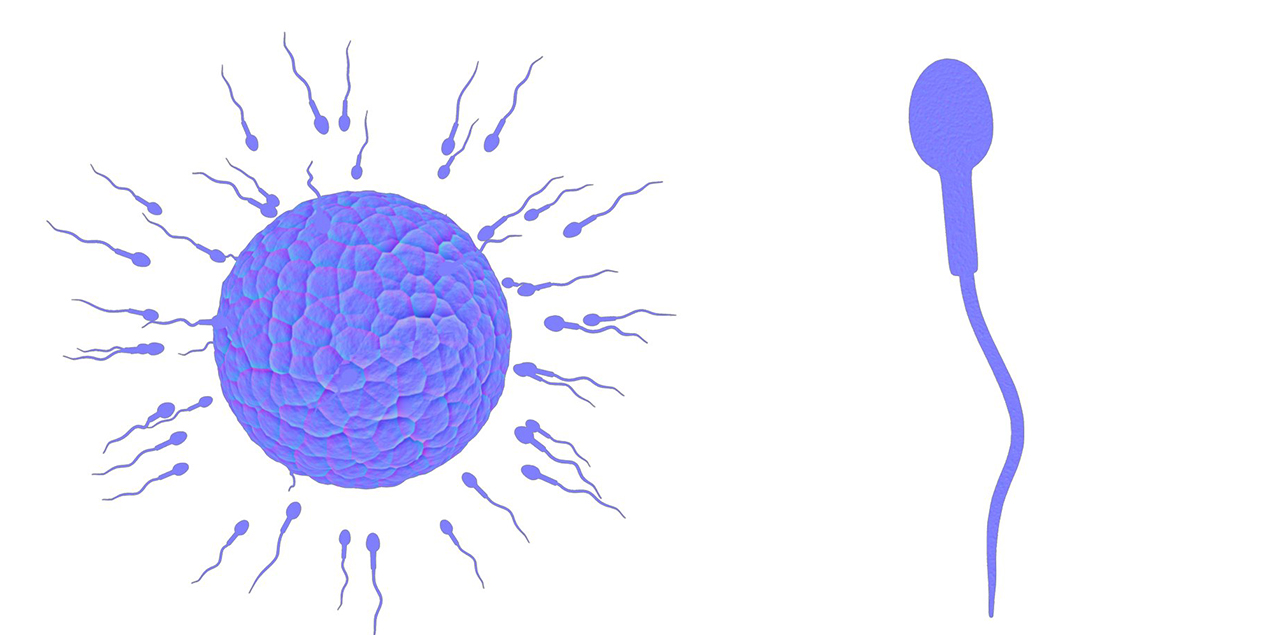
Freezing eggs, sperm, and embryos has become an important part of assisted reproductive treatments today. Technical advancements in treatment and improvements in freezing-thawing methods allow gametes (eggs and sperm) and embryos to be safely frozen and used in the future.
When Is an Embryo Frozen?
- When high-quality embryos remain after embryo transfer in IVF treatment
- In cases of excessive ovarian response during IVF treatment or before embryo transfer, causing severe bloating and shortness of breath in the woman (hyperstimulation)
- When the endometrial thickness does not reach a sufficient level during IVF treatment
- Before chemotherapy in women diagnosed with cancer (to preserve future fertility)
How Is an Embryo Frozen?
Embryos are frozen using slow or rapid (vitrification) freezing techniques within special solutions and stored in nitrogen tanks at -196°C.
How Long Can Embryos Be Stored in Frozen Form?
Legally, embryos can be stored frozen for up to 5 years in our country.
What Is the Success Rate with Frozen Embryos?
Today, embryos frozen using rapid freezing techniques known as vitrification show a 90–100% survival rate after thawing. Pregnancy rates following embryo transfer with frozen embryos are approximately 40–60%.
Does the Risk of Anomalies Increase in Pregnancies Achieved with Frozen Embryos?
It is known that freezing techniques do not harm embryos and do not increase the anomaly rate in pregnancies resulting from embryo transfer.
Is Embryo Freezing Routinely Performed in Every Center?
Freezing healthy embryos remaining after IVF treatment and transferring them if pregnancy is not achieved helps maintain treatment success. If pregnancy is achieved, these embryos can be thawed and used again within 5 years if another child is desired. Therefore, this method is both economical for couples and provides psychological comfort. However, embryo freezing requires good laboratory conditions and experience. In well-equipped centers, embryo freezing is routinely recommended with patient consent. It is a method that maintains and improves success in IVF treatments and is also the most important method for reducing the risk of multiple pregnancies.
How Is a Woman Prepared Before Transferring Frozen Embryos?
The ovaries are not stimulated again, and egg monitoring with injections is not repeated. After ultrasound and blood hormone evaluations on the 2nd–3rd day of menstruation, some estrogen-containing pills or patches are used and monitored for 15 days. The woman is called in twice for ultrasound examinations. The male partner does not need to attend during the follow-up and treatment process. When the endometrium reaches at least 7–8 mm in thickness, the embryos are thawed and transferred into the uterus on the same day or after 1–2 days of monitoring. A pregnancy test is performed 12–14 days after the transfer. During this process, only pills, patches, and vaginal suppositories are used.


