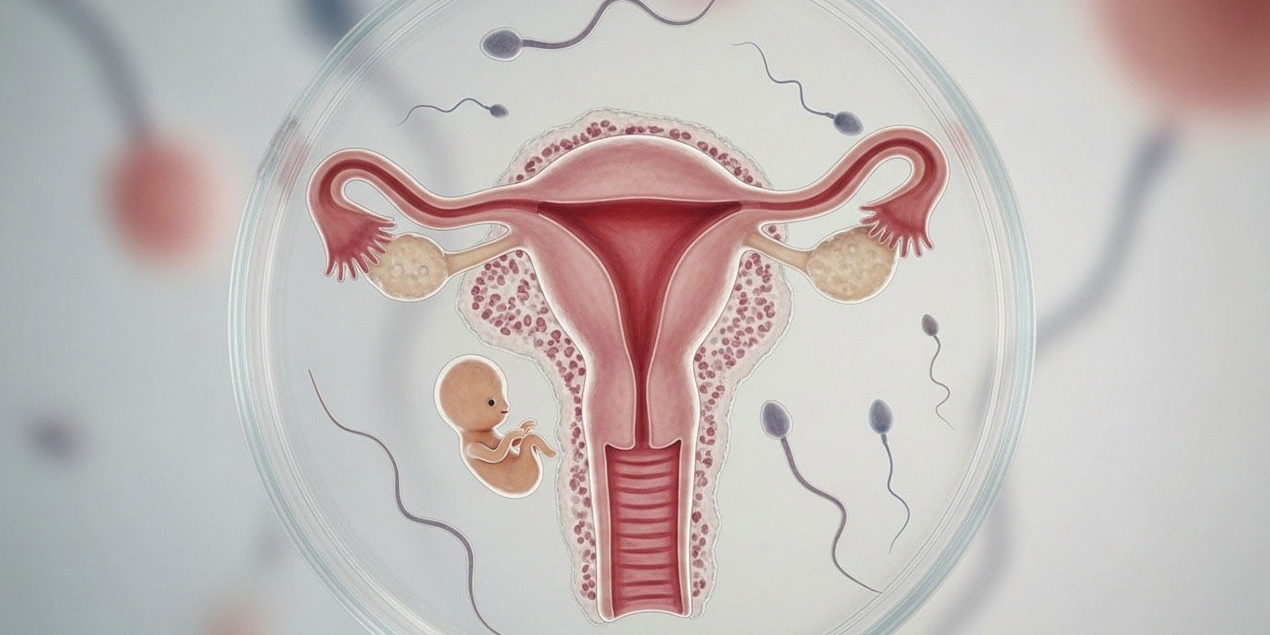
Oocyte quality is often described as low in cases where IVF treatment fails or when IVF treatment is applied in women of advanced age.
What Is Egg Quality?
When a girl is born, she is born with all the eggs she will use throughout her life, meaning that every woman has her own unique ovarian reserve. As a woman ages, the number of remaining eggs in the ovaries decreases with each ovulation cycle, and generally, the quality of the remaining eggs also declines. This is essentially a result of ovarian aging. Over the years, the quality of the remaining eggs may decrease due to diseases the body encounters, hormonal changes, and fluctuations in weight. Environmental factors, diet, calorie intake, and body weight also play an important role in ovarian aging.
With increasing age, both the likelihood of natural pregnancy and the chances of pregnancy through treatment decrease. Certain pathological conditions, such as endometriosis (chocolate cyst), previous ovarian surgeries, chemotherapy, or radiotherapy, may also negatively affect egg quality. Unfortunately, there is currently no test that directly measures egg quality. Therefore, recognizing the decline in ovarian reserve and initiating treatment as early as possible is important for preserving fertility and increasing the chance of having children.
Can Egg Quality Be Improved at Advanced Ages?
In 2004, some researchers suggested that a hormone called DHEA may contribute to hormonal balance and improve both the number and quality of eggs. However, this treatment has not been effective in all women, and some researchers have reported no significant benefit.
Another agent is Coenzyme Q10, an enzyme whose levels decrease with age. It has been suggested that Coenzyme Q10 may help support age-related decline in egg quality, although it is not effective for everyone.
Certain habits and dietary factors are known to influence egg quality. For example, smoking, stress, excessive caffeine consumption (more than one cup of coffee per day), processed foods, and sugar negatively affect egg quality. On the other hand, adequate fluid intake (1.5–2 liters of water daily), exercise, and diets rich in antioxidants, vitamins C and E, zinc, and omega fatty acids may contribute positively to egg quality.
Although genetic factors and age play the most significant role in egg quality, lifestyle, diet, environmental factors, and stress management also have an undeniable impact. Therefore, even with advancing age, lifestyle and dietary changes may help support egg quality and contribute to the possibility of achieving pregnancy.
Ultimately, reduced egg quality does not mean pregnancy is impossible. It should be understood as making pregnancy more challenging. The critical point is to maintain realistic expectations and determine when it may be appropriate to conclude treatment.


