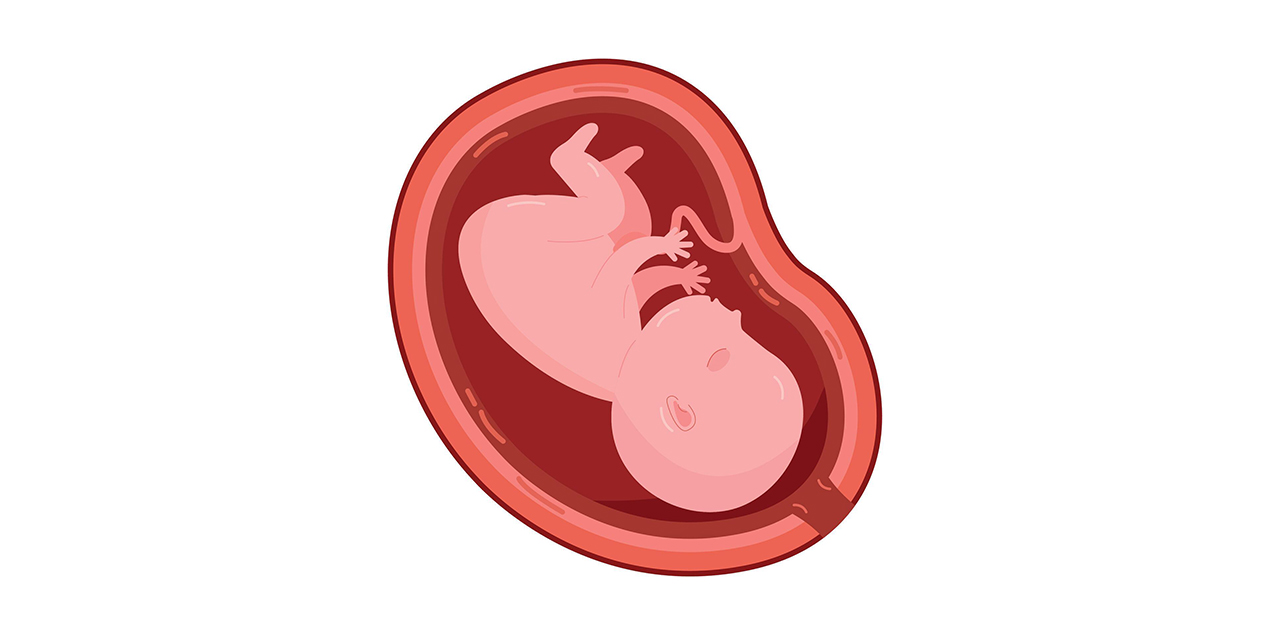
Embryo quality is perhaps the most important factor affecting the success of IVF treatment. We assess embryo quality by evaluating the embryo’s cells and monitoring its development process in the laboratory. The experience of the embryologist is very important in evaluating the number of cells and their proportions. Embryo development can be monitored 24 hours a day using incubators known as embryoscopes (special heated cabinets), where the entire development process is recorded and observed.
Therefore, the equipment of the embryology laboratory is crucial. The primary factors affecting embryo quality are egg and sperm quality. Any factor that affects these gametes (such as smoking, excess weight, endometriosis, or sperm parameters) also influences embryo quality. Additionally, a successful ovarian stimulation (ovulation induction using injections) performed by an experienced physician positively affects the number and quality of eggs obtained. Thus, a successful induction by an experienced physician, the selection of high-quality eggs and sperm, microinjection and embryo monitoring performed by an experienced embryologist, along with well-equipped laboratory conditions, can result in high-quality embryos. Consequently, the success of IVF treatment increases.


