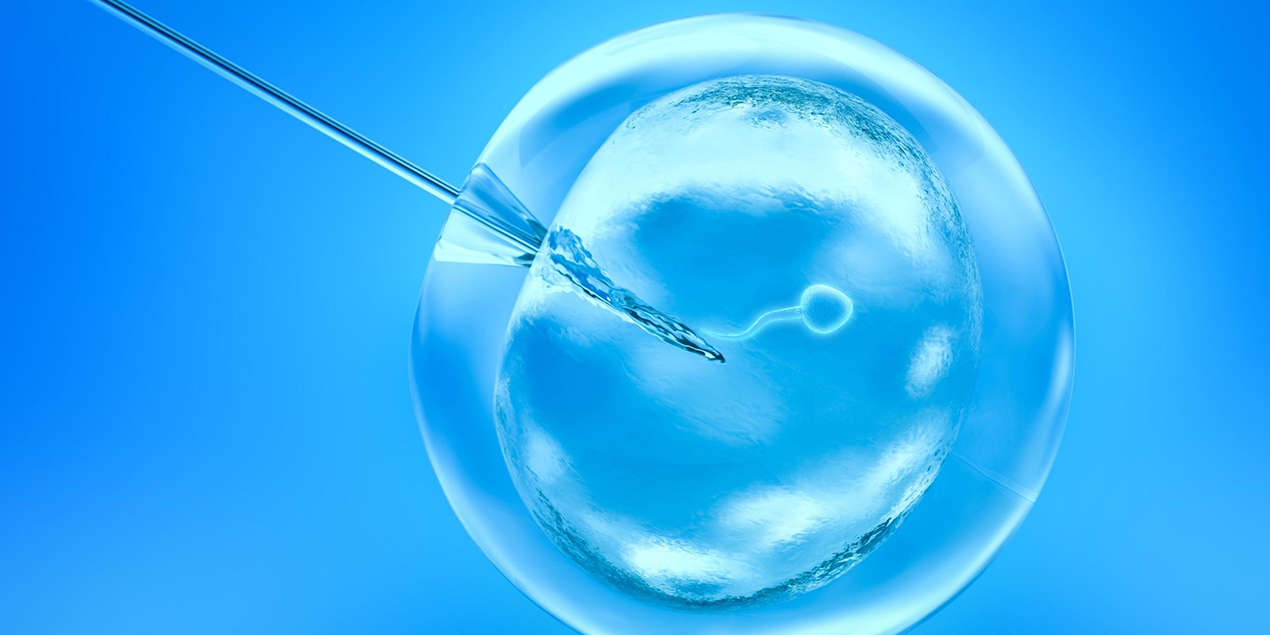
In IVF treatments, certain methods can be used to increase or maintain success. Embryo freezing is one such method. After transferring a good-quality embryo into the uterus, if additional high-quality embryos remain, it is beneficial to freeze and store them. If pregnancy does not occur, the frozen embryos can be thawed and used without the need for ovarian stimulation, allowing the chance of pregnancy to continue.
If pregnancy is achieved, the frozen embryos can be used for a second pregnancy within five years if desired. Embryo freezing is also used in cases where hyperstimulation develops during ovarian stimulation, meaning there is an excessive ovarian response. It helps prevent a dangerous condition known as OHSS, characterized by fluid accumulation in the abdomen, by freezing all embryos and postponing the transfer, thereby reducing the risk of OHSS.
Additionally, in women with low ovarian reserve, embryos formed from the few eggs that develop each month can be frozen one by one and accumulated using a pooling system until transfer. The success of this pooling method in women with low reserve or advanced age is debatable. However, it may be recommended if genetic testing of the embryos is planned.


