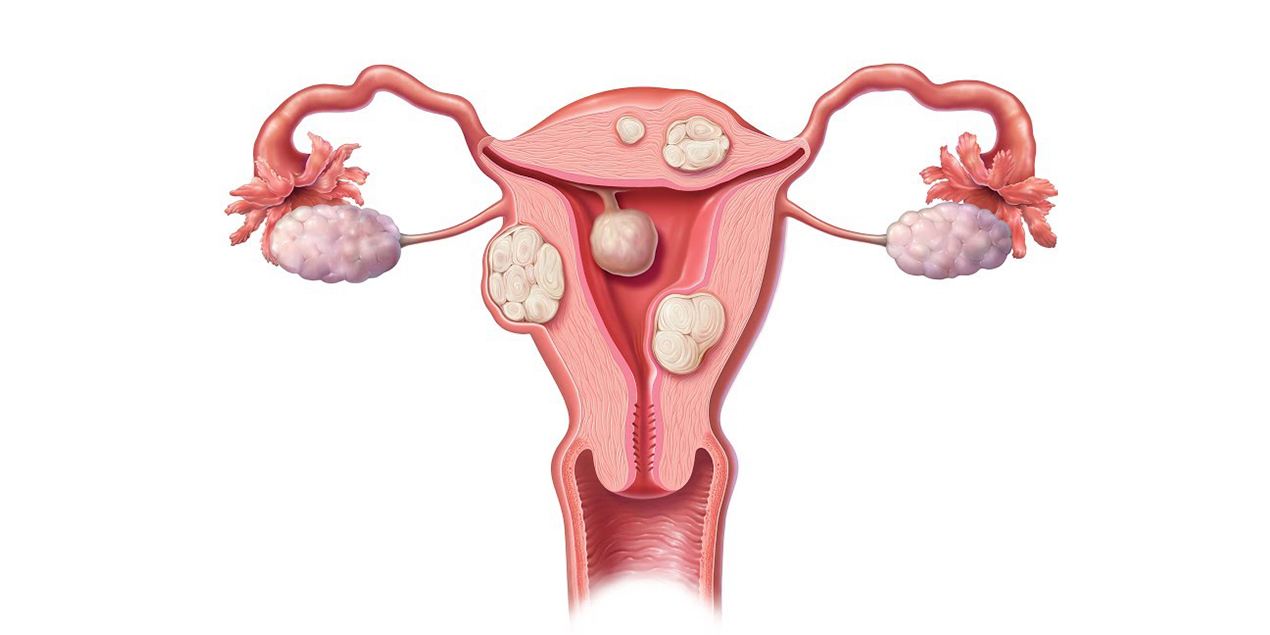
A myoma (fibroid) is a benign tumor originating from the uterine muscle. Generally, it does not transform into cancer, but monitoring is essential. Rapidly growing myomas may carry malignant characteristics and must be removed surgically. Myomas are among the most common gynecological problems encountered in women. Although they cause complaints such as pelvic pain, irregular or heavy menstrual periods, and intermenstrual bleeding, they may sometimes present no symptoms at all and are detected during ultrasonography in a routine gynecological examination.
So, which myomas require treatment? The primary criterion for treating a myoma is the symptoms it creates. For example, if a myoma is detected during an evaluation for heavy menstrual bleeding and it causes conditions such as anemia, it must be treated. On the other hand, in the presence of myomas that do not cause symptoms or only lead to mild complaints like spotting, treatment should be personalized. In such cases, it is possible to follow up at 4-6 month intervals without administering treatment. Sometimes, if the complaint is mild pelvic pain but the evaluation detects multiple myomas over 4-5 cm, and if the woman is over 40 years old with no desire for future children, it would be advisable to remove the myomas surgically.
Is drug treatment possible for a woman diagnosed with a myoma? Is there a medication that shrinks or eliminates myomas?
Unfortunately, medical treatment of myomas with drugs is not yet possible. Although some monthly injections can shrink myomas to an extent, they do not disappear completely and mostly return to their original size once the injection treatment ends. However, there are ongoing studies regarding certain drugs that may shrink myomas in the future. The high frequency of side effects and the cost of these drugs prevent their widespread use.
If a myoma causes symptoms, is large in size, or is present in high numbers, surgical removal is the fundamental approach to treatment. It is preferable for the surgery to be performed laparoscopically. Nowadays, laparoscopic surgery has begun to be used in almost all gynecological conditions. Myomas can be removed through small incisions, morcellated with the help of a camera entered through the navel. Post-laparoscopy, there is less pain and fewer sutures, allowing the patient to return to daily life more quickly.
At what size should a myoma be treated? Or when we say “multiple,” how many myomas warrant treatment?
While there are no definitive figures to state here, we can suggest myomas over 4-5 cm and those exceeding three in number. Of course, these figures can vary depending on the woman’s complaints, age, desire for children, and the location of the myoma within the uterus.
In summary, myomas are benign masses that mostly require monitoring and cannot be treated with medication. Myomas that grow during follow-up must be operated on. The preferred surgical technique should be laparoscopy. It is appropriate to decide on surgery based on the woman’s symptoms, age, and features such as the location, number, and size of the myomas.


