Endometriosis, affecting one in ten women, significantly reduces a woman’s quality of life. Severe abdominal and pelvic pain, debilitating menstrual cramps, inability to work due to these reasons, lack of concentration, depression, fatigue, insomnia, heavy use of painkillers, and problems in sexual life due to dyspareunia (pain during intercourse) are among the distressing issues for patients. Additionally, when infertility is present, patients may experience stress and tension during treatment processes.
What is the Relationship Between Endometriosis and the Immune System?
In women with a genetic predisposition or an immune system disorder, environmental factors and certain chemicals can trigger the onset of the disease.
The higher prevalence of this disease in women with a family history of endometriosis suggests a genetic predisposition. However, the exact mode of genetic inheritance has not been clearly established, and studies on which genes are involved are still ongoing. Another factor is thought to be the relationship between endometriosis and the immune system. The fact that autoimmune diseases are more common in endometriosis patients suggests that endometriosis develops as a result of a factor that suppresses the immune system. Research in this field continues.
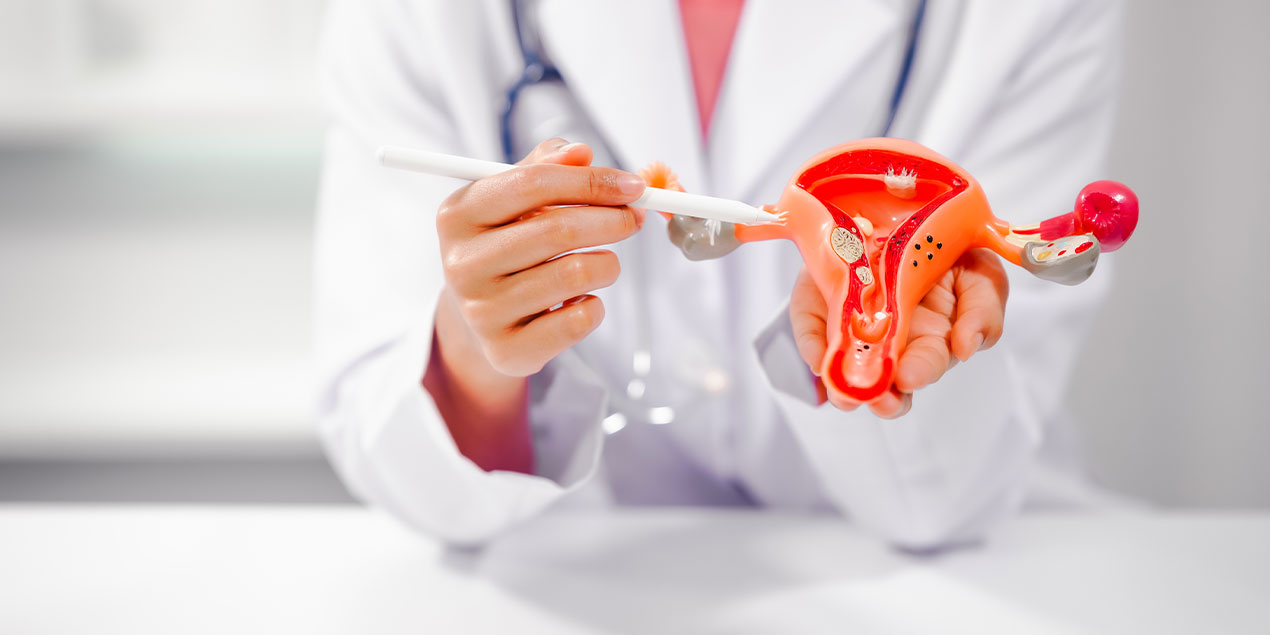
Endometriosis, defined as the displacement of the endometrial tissue—the inner lining of the uterus—into different organs outside its normal location, is described as a benign but painful disease.
Although the exact causes are not fully known, it is more common in women of reproductive age because it is an estrogen-dependent condition.
Women who menstruate frequently, have prolonged menstrual bleeding, are nulliparous (have not had children), consume a low-fiber and high-fat diet, have high alcohol consumption, do not exercise, and consume excessive caffeine are considered at risk for this disease.
The prevalence of endometriosis, which particularly affects adult women in their 30s, is increasing. According to statistics, endometriosis—commonly known as “chocolate cyst”—affects one in ten women, totaling 176 million women worldwide; in our country, this number is between 1.5 and 2 million.
What is the Link Between Endometriosis and Autoimmune Diseases?
The presence of endometriosis also poses a risk for different health problems in women. It is known to occur frequently alongside autoimmune diseases. In some patients, rheumatic diseases, fibromyalgia, and allergic conditions are also seen to accompany the condition. On the other hand, research shows that certain types of ovarian cancer are more common in women with endometriosis.
Endometriosis Treatment Varies According to the Patient’s Expectation of Children
Since diagnosing endometriosis is not always easy, the start of treatment for patients can be delayed. Stating that the definitive diagnosis is made via laparoscopy, the gynecological specialist noted that endometriosis is treated with medication and surgery. If a woman diagnosed with endometriosis wants a child, drug therapy is not administered; surgical treatment is applied only in the presence of large chocolate cysts or problems with the fallopian tubes. For patients in this profile, follow-ups are initiated to have children through assisted reproductive treatments.
Can Endometriosis Be Prevented?
It is not possible to prevent endometriosis, but its progression can be delayed with certain measures. Consuming high-fiber foods; reducing caffeine, alcohol, sugar, and refined food intake; consuming green vegetables, fruits, and foods rich in antioxidants; exercising; breastfeeding; giving birth; and the use of birth control pills are among the measures that can delay the onset or progression of the disease.


