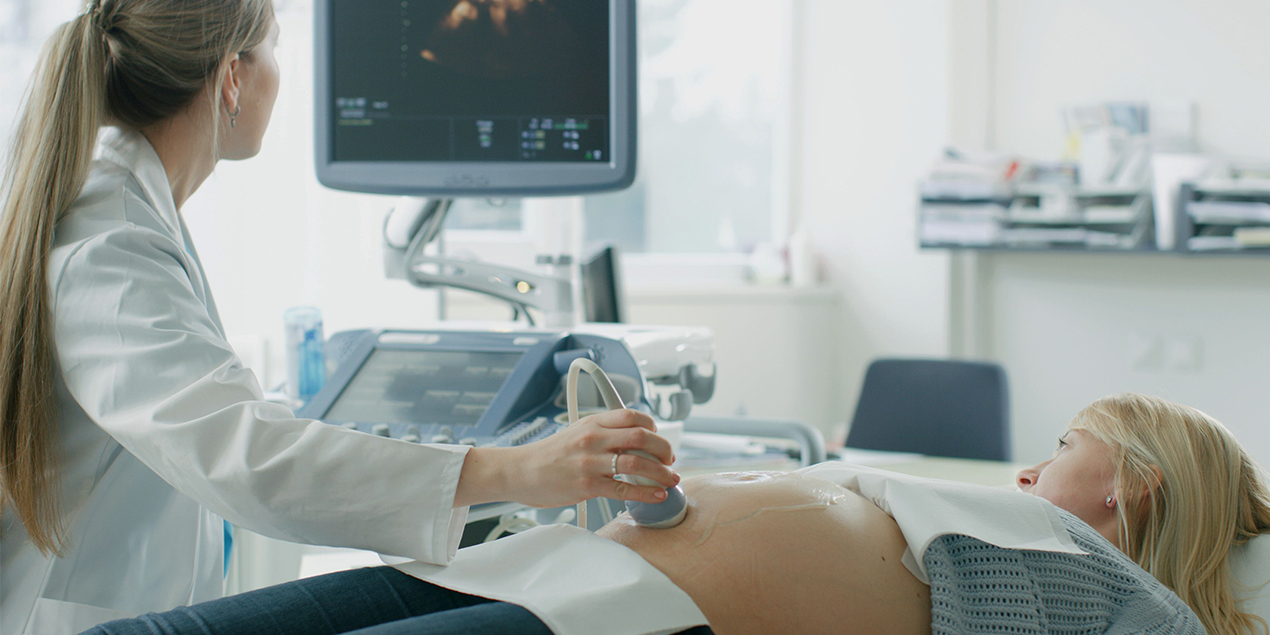
Miscarriage is the involuntary termination of pregnancy before the 20th gestational week. One in every 4-5 women experiences a miscarriage. However, recurrent miscarriage—defined as two or more pregnancy losses—is observed in only about 1-2% of women.
Generally, a miscarriage is not a recurring condition. However, maternal age is a significant determinant. The risk of miscarriage increases with age, reaching up to 50% in women over the age of 40. In miscarriages occurring within the first 12 weeks, identifying the exact cause can be difficult. Polycystic ovary syndrome (PCOS), congenital or acquired uterine abnormalities (such as a uterine septum, adhesions, polyps, or myomas/fibroids), genetic issues in either parent, maternal blood clotting disorders, uncontrolled diabetes, thyroid diseases, and infections can all be causes of miscarriage.
More than half of pregnancy losses in the first 12 weeks are due to genetic problems. In miscarriages occurring between the 12th and 20th weeks of pregnancy, cervical insufficiency and maternal health problems often play a role. Additionally, if vaginal infections during pregnancy are left untreated due to the anxiety that “treatment might harm the baby,” they may lead to the premature rupture of membranes (water breaking) in later weeks.
When a woman who has experienced a miscarriage consults her gynecologist before conceiving again, vaginal, uterine, tubal, and ovarian pathologies are investigated through routine examination and ultrasonography. Existing infections must be treated. If a suspicious tubal or uterine image is seen on ultrasound, a medicated uterine X-ray (hysterosalpingography – HSG) should be requested.
Furthermore, if myomas (fibroids) are positioned toward the uterine cavity, they must be removed via hysteroscopy, a procedure performed with an endoscopic lighted instrument. Large-scale myomas, those over 5-7 cm, should be removed laparoscopically using endoscopic methods. If the endometrial thickness is below 6-7 mm during the mid-cycle on ultrasound, intrauterine adhesions may be present; this should be investigated via HSG or, preferably, hysteroscopy.
If a polycystic ovary appearance is present, the existence of insulin resistance should be investigated. Medication containing metformin and, if obesity is present, weight loss accompanied by a dietitian should be advised; pregnancy should be postponed until the metabolic state improves. Heavy smoking—more than 10 cigarettes a day—should be reduced and eventually ceased. Folic acid supplementation should be initiated. Blood tests may include thyroid hormones, prolactin, hemogram, and AMH levels. Diminished ovarian reserve can also play a role in miscarriages.
Certain tests must be conducted to investigate the cause in a woman who has had two miscarriages. On the other hand, these tests only reveal the underlying cause in about half of the cases. For young women with two or more miscarriages where no issue is detected in tests, the probability of conceiving again is around 60-70%. Therefore, if no cause is identified, the probability of conceiving and having a healthy birth following recurrent pregnancy loss remains high, at at least 60%.
For this reason, maintaining high morale and a positive approach is essential. If a woman with a history of miscarriage miscarries again, a genetic examination of the products of conception should be performed. Chromosomal anomalies can be detected in half of the miscarriages occurring in the first 12 weeks. When a genetic defect is identified, the likelihood of a subsequent pregnancy progressing well increases.
In couples with a history of two miscarriages, chromosome tests of both parents (peripheral karyotype analysis) must be performed. A uterine X-ray (HSG) should be reviewed. Maternal coagulation (clotting) tests should be requested. A woman who has experienced a single miscarriage does not require special treatment or follow-up. A woman with two or more miscarriages should be reassured that the probability of pregnancy and healthy birth is at least 60% and should be closely monitored once she conceives.
Couples with recurrent pregnancy loss should not proceed directly to IVF treatments; first, an investigation into the cause should be conducted. IVF may not be successful for every couple, and in some cases, IVF treatments themselves may further increase the risk of miscarriage. However, for women over the age of 39 with advanced maternal age, IVF treatments involving genetic examination of the embryo, known as PGT, should be implemented.


