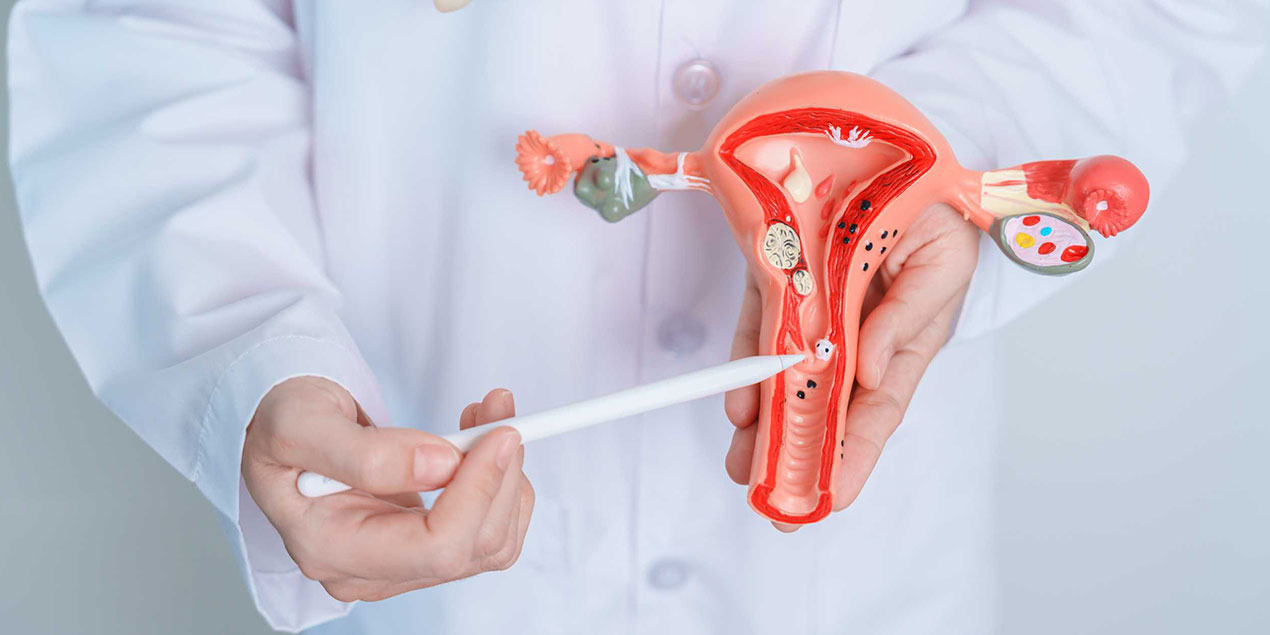
Intrauterine adhesions (Asherman’s Syndrome) frequently develop due to previously performed gynecological procedures or operations, such as curettage or myomectomy. Occasionally, adhesions may develop as a result of infections; specifically, the tuberculosis bacterium can cause adhesions, and fertility treatment should only proceed after appropriate medical therapy for the infection has been completed. Certain findings on ultrasonography or a medicated uterine X-ray (HSG) may suggest a probable intrauterine adhesion, raise suspicion, or lead to a definitive diagnosis if typical findings are present. If there are adhesions within the uterus, the endometrial thickness may not increase, causing the endometrium to remain thin. We definitively confirm the presence of intrauterine adhesions through hysteroscopy. Therefore, when an intrauterine adhesion is suspected, the uterine cavity should be evaluated via hysteroscopy, and any existing adhesions should be opened during the same session. While it is possible to resolve intrauterine adhesions with hysteroscopy, severe cases may require multiple hysteroscopic procedures.