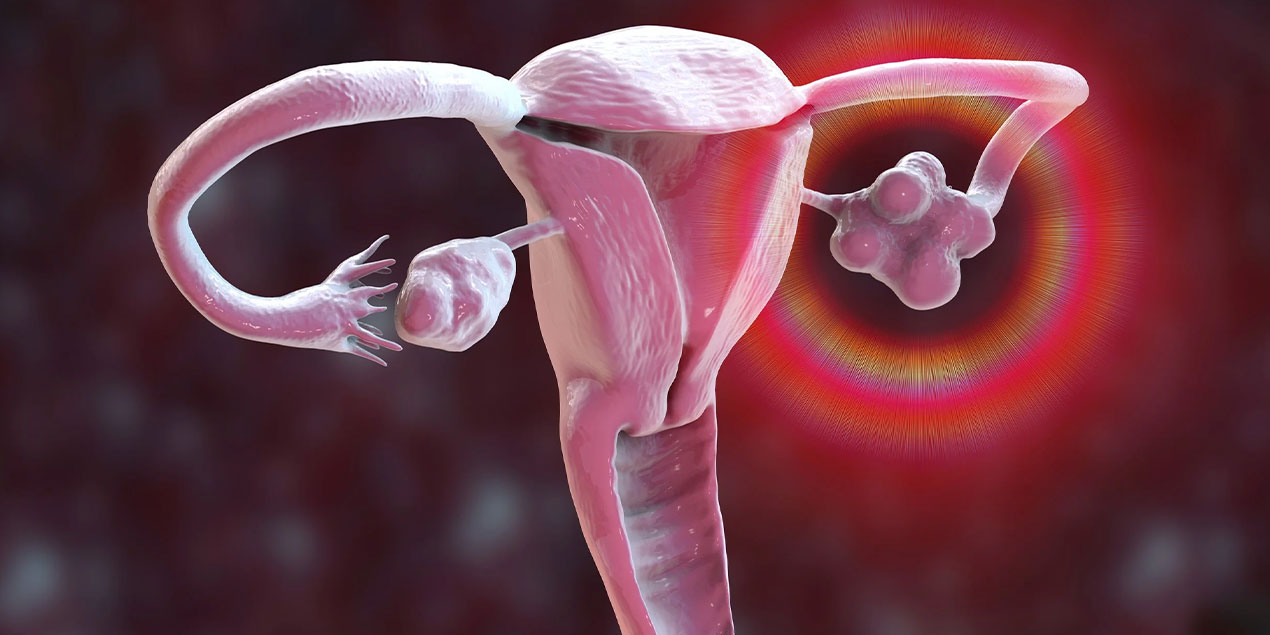
Polycystic ovary syndrome is a disease characterized by menstrual irregularity, excess weight, and infertility problems. Sometimes periods can be regular, but the typical polycystic appearance is present in the ovaries on ultrasonography. Occasionally, a polycystic ovary appearance may also be present in lean cases. In fact, sometimes a polycystic ovary image is observed in the ovaries of women who already have children. Therefore, polycystic ovary syndrome is a disease that creates a wide range of complaints and findings and can be observed in different situations in every woman. It can often lead to infertility by causing ovulation problems. Ovulation can be achieved by stimulating egg development with ovulation-inducing pills or injections; if the sperm is normal and there are no problems in the tubes, pregnancy will be achieved with bund such treatments. Egg stimulation can be performed in this way for about 6-12 months. If no results are obtained, vaccination (insemination) treatment can be started. If results cannot be obtained with insemination, IVF (In Vitro Fertilization) treatment can be considered as a last resort. In these cases, applying the appropriate dose of medication and close monitoring during IVF treatment is important, as the risk of OHSS is high and can lead to serious consequences. In polycystic ovary patients who have children or in young girls, it is possible to regulate menstruation with progesterone-containing drugs, metformin, or birth control pills. In overweight cases, periods will get into a rhythm spontaneously with simple weight loss.