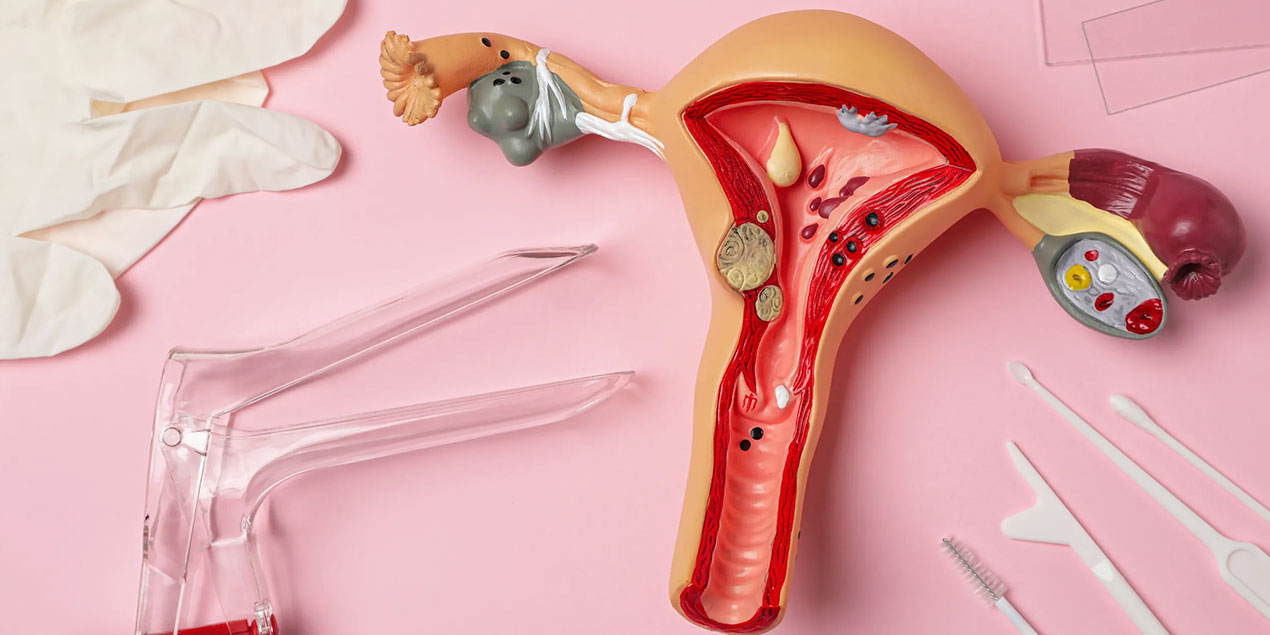
A myoma (fibroid) is a benign tumor or mass originating from the uterine muscle. It is known as the most common gynecological problem in women, occurring in approximately one out of every four women. Myomas and cysts are frequently confused; however, while myomas originate from the uterus, cysts are typically located in the ovaries.
Which symptoms should raise suspicion of a myoma? A myoma can cause different complaints depending on its location in the uterus, its size, and its quantity. The most symptomatic myomas are those that grow toward the uterine cavity and cause irregularities within the internal uterine space. Heavy menstrual periods, intermenstrual bleeding, pain during menstruation, pelvic pain, miscarriage, and bleeding during pregnancy are common complaints caused by myomas. When a myoma grows significantly, it can also cause frequent urination and constipation by exerting pressure on surrounding organs.
Not all myomas require treatment after being diagnosed. For example, 1-2 cm myomas are common, and we recommend follow-up at 4-6 month intervals. If rapid growth is observed during this follow-up, surgical removal may be necessary. Similarly, no treatment is required for a woman who has no complaints but is found to have multiple small myomas during a routine annual gynecological check-up; follow-up is sufficient.
So, which myomas should be treated? Treatment should be applied to women who have heavy periods leading to a diagnosis of anemia, intermenstrual bleeding, complaints of constipation or frequent urination due to pressure on the intestines or bladder, or rapidly growing myomas. There is no pharmacological (drug) treatment for myomas; they must be removed surgically. If the myoma has grown toward the uterine cavity, the inside of the uterus is examined via a vaginal endoscopic procedure called hysteroscopy, and the myoma is morcellated and removed using specialized instruments. The patient can return home the same day and does not require hospitalization. However, if the myoma is within the uterine muscle or larger than 4-5 cm and is causing symptoms, it is reduced and removed through an abdominal endoscopic operation called laparoscopy. A single day of hospitalization is usually sufficient.
Myomas growing toward the uterine cavity can act as a mass within the uterus and prevent pregnancy from occurring, or they may cause bleeding and miscarriage during pregnancy. Therefore, when these types of myomas are detected, they should be removed via hysteroscopy even if they do not cause current symptoms. Because they pose a risk of miscarriage during pregnancy, it is recommended to remove them through the easy, outpatient procedure of hysteroscopy after diagnosis.
In summary, myomas are common, usually benign masses in women that do not always require treatment. They are located in the uterus and have no relation to the ovaries. The region, size, and number of myomas in the uterus are important factors in the treatment decision. Depending on their location and size, it is possible to endoscopically remove the myoma from the uterus via either hysteroscopy or laparoscopy. In myoma surgeries performed with these methods, there is minimal pain, shorter hospitalization, and no major surgical sutures.


