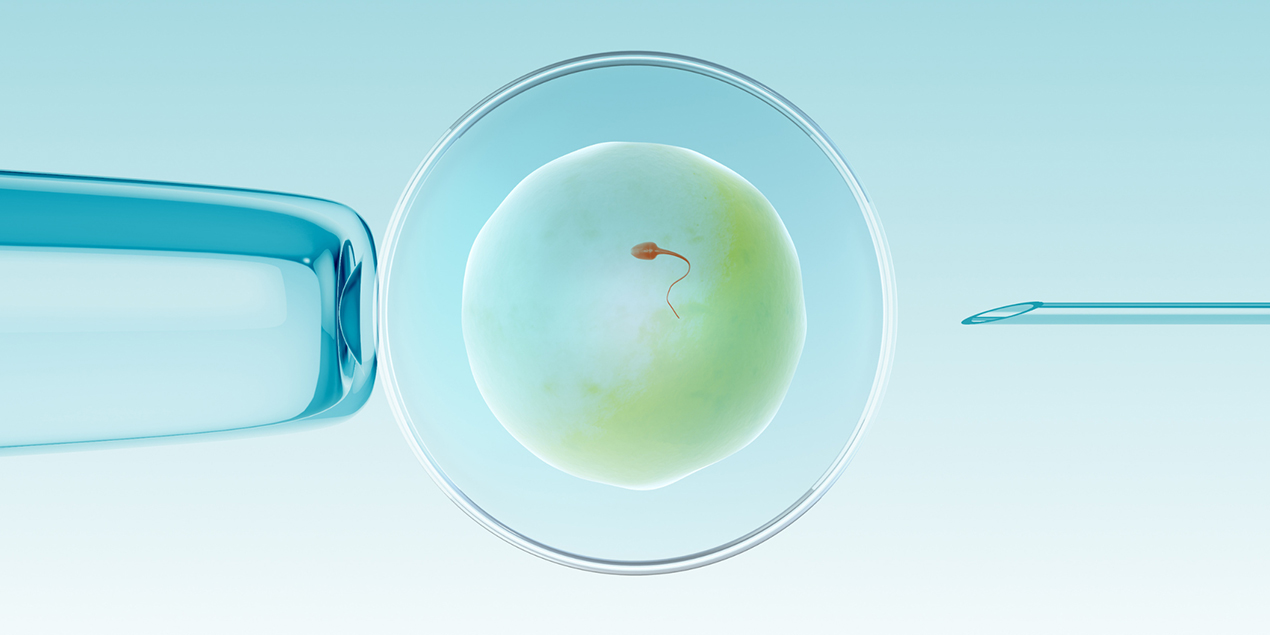
Success in IVF treatment ranges between 20–80%. In addition to patient-related factors such as the woman’s age and the cause of infertility, physician experience, treatment protocols, laboratory equipment, and embryologist expertise also play a significant role in treatment success. As the woman’s age increases, success rates decline; therefore, treatment should not be postponed in advanced-age marriages. In cases of severe sperm problems, the number of attempts may also increase.
A decrease in ovarian reserve may reduce the number of eggs obtained, negatively affecting success. Apart from patient characteristics, proper ovarian stimulation and accurately dosed injections are also highly influential in achieving success. Therefore, the experience of the treating physician is one of the most important determinants. The embryologist’s expertise, attention, and laboratory capabilities in fertilizing the retrieved eggs with sperm are also critical on the path to success. Thus, beyond the characteristics of the couple, both the physician and the laboratory influence treatment outcomes. Choosing a skilled physician and a well-equipped laboratory is decisive in treatment success.


